Dr. Sara (Simone) Erdner, CMPC (she/her) is the Founder and CEO of The Center for Optimal Psychological Education in Injury & Rehabilitation (The COPE Center). She serves as a Associate Professor of Kinesiology and MS in Coaching Program Coordinator at Adams State University. She also serves as the subject-matter expert in the psychology of injury-illness and rehabilitation-recovery at both the University of Western States and the University of Denver. She earned her Ph.D. in Sport Psychology and Motor Behavior and M.S. in Communication Studies, Interpersonal Communication from the University of Tennessee, Knoxville.
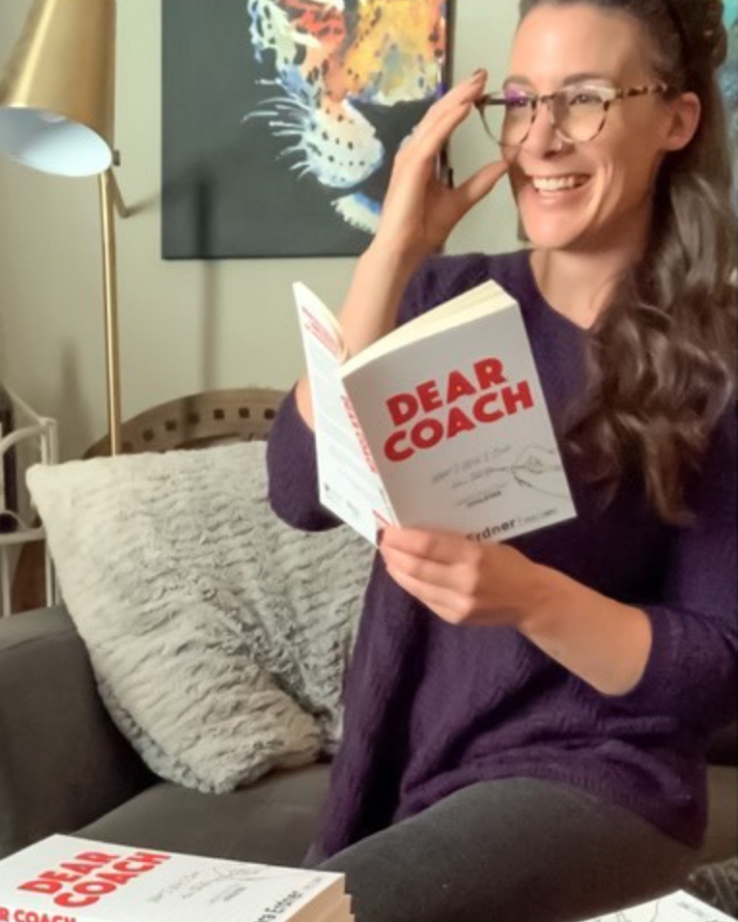
As a Certified Mental Performance Consultant (CMPC) through the Association for Applied Sport Psychology, Dr. Erdner has extensive experience working with both non-injured and injured–ill populations. She previously served as a mental strength coach within a Major League Baseball organization, collaborating with an interdisciplinary medical team to support athletes throughout the injury and rehabilitation process. She is also the author of Dear Coach, What I Wish I Could Have Told You: Letters from Your Athletes, a collection grounded in advocacy for both athletes and coaches, highlighting the often-unspoken psychological experiences within sport. If interested in reading, here’s a FREE eBook version of Dear Coach!
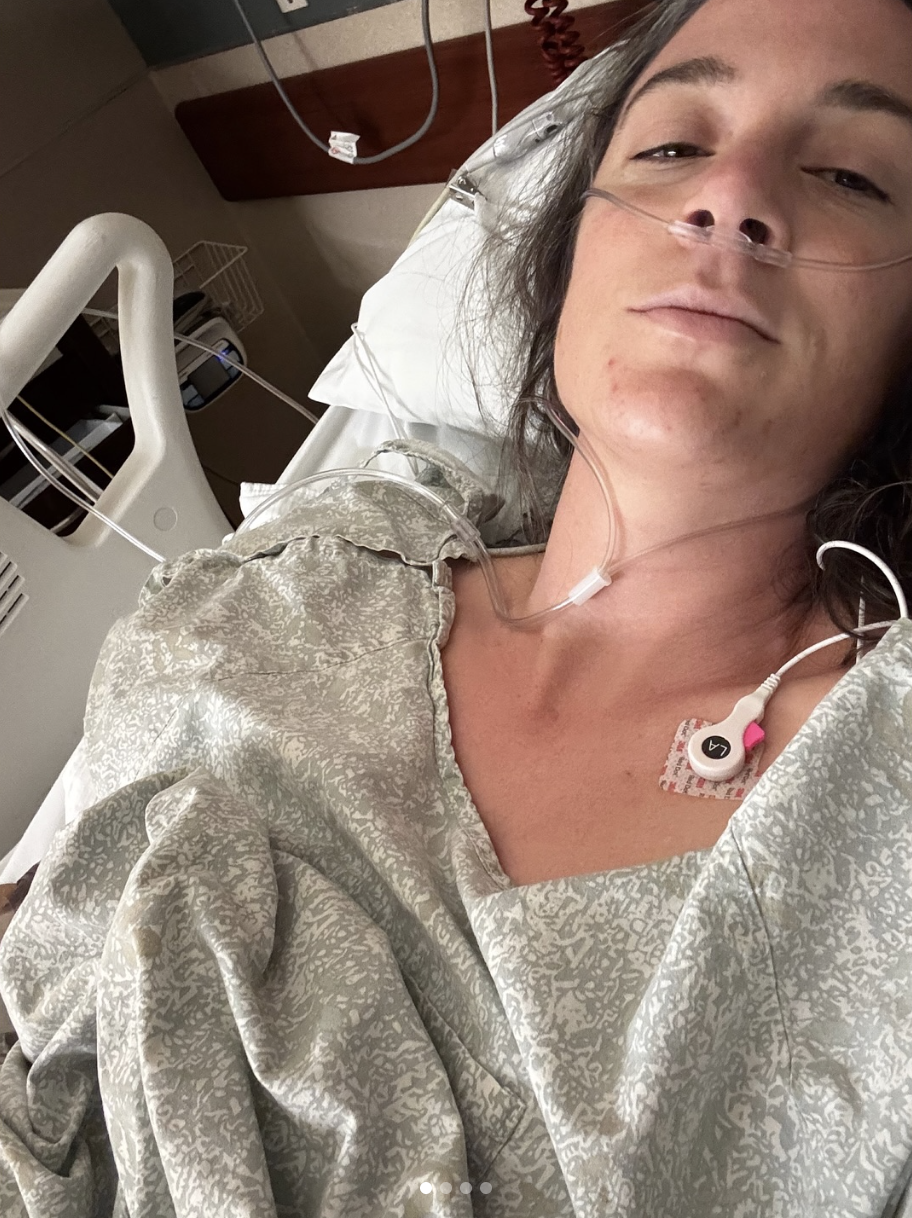
Dr. Erdner’s professional work is deeply informed by her professional and lived experience with injury and complex medical conditions. After experiencing acute athletic injuries as both a triathlete and rock climber, Dr. Erdner‘s athletic experience came to an abrupt halt after a complex cascade of medical challenges. What initially presented as gynecology-related issues, resulting in a Stage 4 endometriosis diagnosis, hysterectomy, and left oophorectomy, quickly escalated into a life-threatening medical journey. As her condition continued to decline post-operatively, further evaluation revealed underlying vascular compressions that had gone undiagnosed for years.
She was ultimately diagnosed with May-Thurner Syndrome (MTS; compression of the left iliac vein) and Nutcracker Syndrome (NCS; compression of the left renal vein), both of which had been silently causing blood to flow backward into her pelvic region. Treatment required significant medical intervention. MTS was addressed through placement of a left iliac stent to restore blood flow, while NCS required a highly specialized kidney autotransplant, relocating her left kidney to the lower-right pelvic region. Despite efforts to preserve her remaining right ovary, compromised blood flow ultimately necessitated its removal during emergency surgery, abruptly thrusting Dr. Erdner into surgical menopause. The procedure also included an appendectomy and further excision of Stage IV endometriosis. In total, Dr. Erdner has undergone ten surgeries within a three-year span while also managing additional comorbid conditions, including UCTD and POTS, that significantly affected her ability to function, train, and perform.
With support from an interdisciplinary medical team, she now successfully manages these conditions. These experiences brought her professional understanding of injury to life, revealing substantial gaps in how sport and performance psychology (SPP) practitioners are equipped to support clients navigating injury and illness. She recognized that, while existing frameworks, models, and applied resources provide a valuable foundation, they do not adequately address the psychological demands of navigating the American medical system: even for clients following a standard rehabilitation timeline, such as recovery from an ACL reconstruction. This realization led her to establish The COPE Center to help bridge these gaps and equip practitioners to provide more comprehensive and efficient support across clients’ experiences of injury, illness, rehabilitation, and recovery.
Outside of academia and consulting, Dr. Erdner is a multidisciplinary artist who enjoys painting, writing, and collaborating with musicians as a keyboardist/vocalist. She is also the host of The Nutcracker Syndrome Podcast, created to address critical knowledge gaps for both medical professionals and patients navigating this rare condition.